Web Design for Dummies

2 minutes to read
This is one the larger circulars out there, of a fairly arbitrary list of books to read. The source is a title of the same name that appeared in print, edited by Peter Boxall. It’s not a particularly bad selection, and with any such list it would be impossible to please everybody, but I think it is fair to say that the more recent decades were rather over-represented (in particular 70 books from the 2000s, despite the book only being published in 2006). However, the list does make a good starting point, and it’s nice to see Miss Rowling’s works were conspicuous only by their absence — just such a shame that the price to pay was that of excluding all children’s literature.
As for getting through the list, I doubt very much if I’ll even read 1001 books before I die, let alone fiction books, or the particular ones from this list. However, I have ticked off a few titles already, and no doubt as many of them coincide with titles on my reading list I’ll be able to whittle the list down a little further. Titles I’ve read to date are in bold.
Last update: 18th July 2024
As an avid reader, it often occurs to me just how second-hand book retailers manage to turn a profit. Even assuming the raw stock can be acquired at very little cost, the vast majority of books can go unsold almost indefinitely, all the while occupying shelf or storage space that costs money to maintain. I read somewhere that on average a second-hand bookseller can expect a third of his stock to be sold within six months, another third to be sold on an indefinite timescale, and the final third to simply go unsold. Obviously this has a knockon effect where turnover is slow. On a recent trip to Wigtown , Scotland’s National Book Town, I came across plenty of bookstores that clearly have to elevate prices to remain profitable. No doubt in their case, the annual book festival and holiday season are a major source of revenue that would otherwise cause most to close their doors in an otherwise small and overcrowded market ecosystem.
Remarque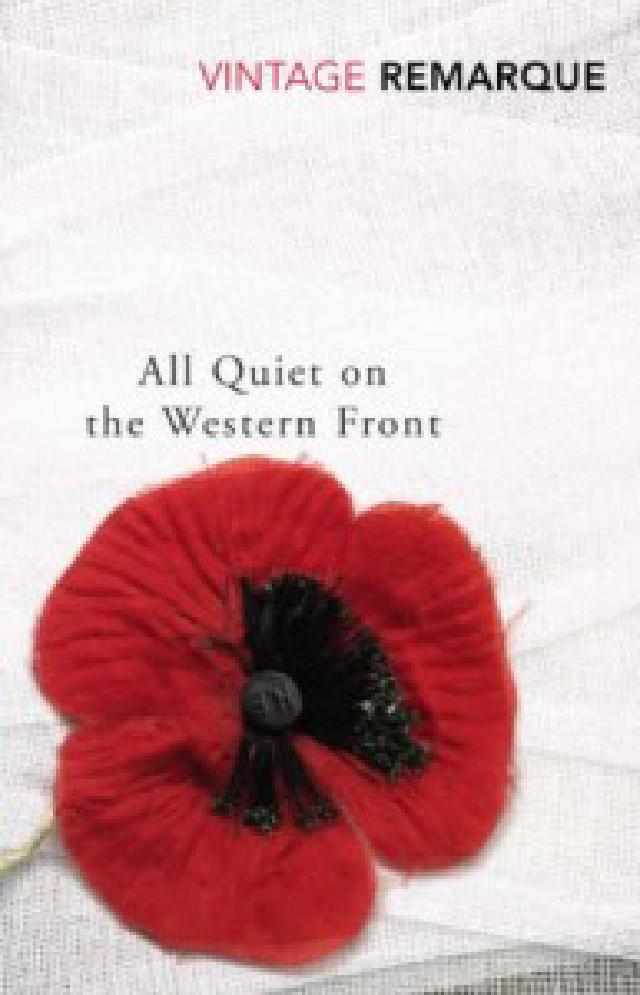
All Quiet on the Western Front is one of those classics more often referred to and talked about than read. It’s one of those books which doesn’t require reading to know the plot, and skimming through the book it almost feels like familiar territory. The book is eminently readable, and despite its brevity, deals with a wide variety of aspects of wartime life, both specific to the Great War and in general. Despite its age, the book has lost none of its meaning, and whilst it proves to be an important work historically, in dealing with everyday German experiences in the Great War and reactions to it during the Weimar years, it is also an enjoyable read and one that should certainly be read more often. It is a simple story told through the eyes of a lad only nineteen years old, pressured into signing up by a jingoistic schoolmaster, who is hardened, desensitised and churned up by the horrors of trench warfare in the Great War.
Ranković, Tito and ĐilasRanković, Tito and Đilas
It’s probably about time I got around to finally writing about some of the books that I read, a little in the vein of the 52-in-52 meme. This probably won’t start a trend, but Milovan Đilas’ Conversations with Stalin is full of sufficient tidbits to make it worth writing about, albeit unfortunately a little on the short side.
Đilas (pictured, right) was one of the key figures in the Yugoslavian Partisan movement during the Second World War, and maintained an influential position in the post-war government alongside Josip Broz Tito (centre), Aleksandar Ranković (on the left), and Edvard Kardelj. He started to write his memoirs in the mid-50s and decided to set his encounters with Stalin aside for separate treatment, but his outspoken criticism of the Yugoslav system resulted in his arrest and imprisonment in 1956. He restarted this work in 1961, which eventually brought about his re-internment.
ZebrasNoble—but undomesticable?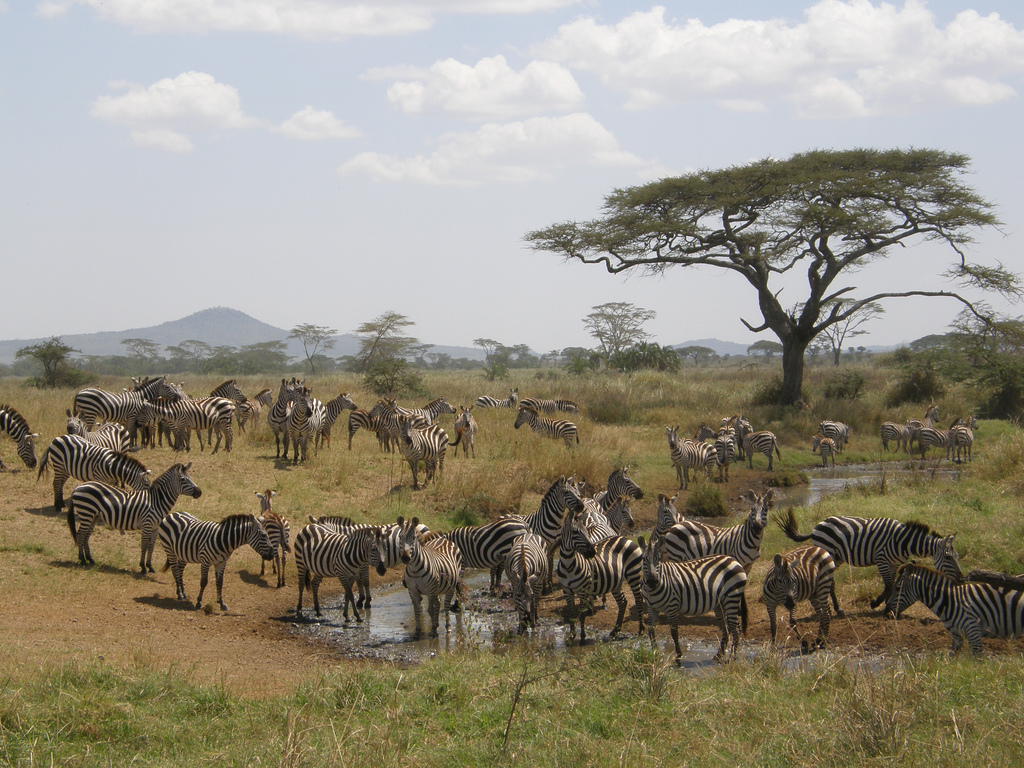
How do you domesticate a zebra? You can’t, or at least that’s the justification put forward by Jared Diamond in his Guns, Germs and Steel for why these wild beasts were never used as draught animals or cavalry in sub-Saharan Africa. Much of what Diamond writes has a logical ring to it, and whilst the evidence is sparse and in places contradictory, his conclusions fit the necessarily teleological approach. Others have accused him of too much geographical determinism, and perhaps they have a point, but the one thing which struck me as being peculiarly out of place in Diamond’s writing was his treatment of Africa’s wild animals as being unsuitable for domestication. He argued that it was only by chance that Eurasia benefited from having suitable species such as goats, sheep, cattle and horses, and that the native varieties of these animals in sub-Saharan Africa were inherintly unsuitable.
[caption id=“attachment_1445” align=“alignleft” width=“300”] Book spinesBook spines[/caption]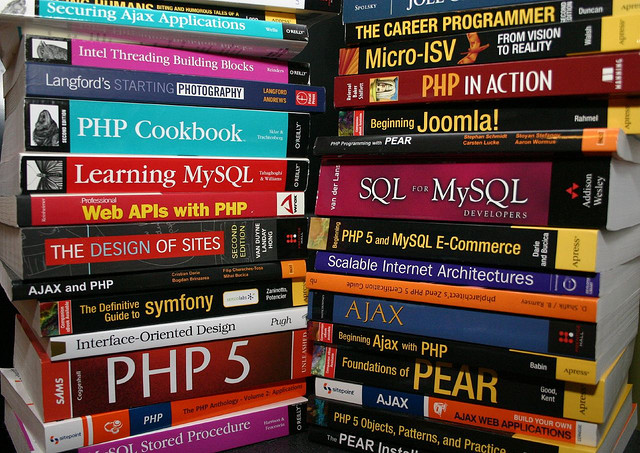
Ever wondered why the spines on your books and DVDs aren’t all oriented the same way? Why some read top-to-bottom and others read bottom-to-top? Admittedly, this phenomenon is rare with books printed in the Anglophone world, where the top-to-bottom approach is preferable, but take a look at a bookshelf in continental Europe and you’ll probably find the titles read the other way (or both, according to Wikipedia ).
[caption id="" align=“alignleft” width=“150”]
Amongst the plethora of new and interesting websites which crop up every month, there were a few which caught my eye recently that weren’t related to the usual photos, videos and blogs. Instead they were related to books, and whilst no doubt most of the websites won’t take off, there were some interesting ideas among them.