Don’t Extradite Gary McKinnon
This isn’t a case I’ve been following with any particular enthusiasm, but it would appear that Gary McKinnon is losing his battle against the extradition charges laid by the USA. Technically McKinnon was already arrested and prosecuted by the UK authorities prior to these extradition charges. In addition, the calls are made on the basis of a UK-US Extradition Treaty that was ratified after the events (and original prosecutions) and as such is being enforced retrospectively, allowing that the USA is not obliged to provide prima facie evidence for their claims. Whilst there are numerous issues regarding the Treaty that should already provoke concern, McKinnon’s case is clearly too small to spark a debate on the issue, and won’t involve politicians to the extent that extradition charges over a figure like Pinochet in previous years managed. Which of course, shouldn’t come as much surprise, since a man charged with torture of foreign nationals and assassination clearly has more to offer than a Weegie who crazily hacked into poorly protected foreign government computers on some wild conspiracy theory pursuing evidence of alien technologies and the secrets of ‘free energy’. It is therefore refreshing to see a campaign (see link above) organised to prevent the extradition proceedings, and guarantee McKinnon a trial on home soil. Unfortunately, the case looks liable to fail, however it can only be hoped that this failure will not prevent others from campaigning to stand up for those who lack the energies, finances and know-how to represent themselves and make an issue of their plights against large government and corporate bodies.
The Cost of Reading
As an avid reader, it often occurs to me just how second-hand book retailers manage to turn a profit. Even assuming the raw stock can be acquired at very little cost, the vast majority of books can go unsold almost indefinitely, all the while occupying shelf or storage space that costs money to maintain. I read somewhere that on average a second-hand bookseller can expect a third of his stock to be sold within six months, another third to be sold on an indefinite timescale, and the final third to simply go unsold. Obviously this has a knockon effect where turnover is slow. On a recent trip to Wigtown , Scotland’s National Book Town, I came across plenty of bookstores that clearly have to elevate prices to remain profitable. No doubt in their case, the annual book festival and holiday season are a major source of revenue that would otherwise cause most to close their doors in an otherwise small and overcrowded market ecosystem.
Dealing with Spam
If there’s one jargon term that every user new to the Internet soon becomes acquainted with, spam must near the top of the list. Its prevalence and virtual ubiquity through many forms of online communication have generated miniature industries devoted to dealing with it, and the science of spam detection, prevention and treatment almost resembles the tactical skirmishes of biological immune systems.
Spam exists in many forms, from bogus guestbook entries to elaborate instant messaging robots, but the variety which prompted this post was that classic form - unsolicited email. The level of penetration of spam illustrates itself in the number of systems put in place to combat it as standard on the vast majority of websites, including of course authentication emails and the ever evolving captcha. I use a small combination of plugins on this blog to block out most of the spam, and given the extreme sparcity of genuine comments, the potential for inconvenient ‘false positives’ is rather slim. Nevertheless, even the cursory inspection I tend to make over Akismet’s latest haul becomes tiresome for all the size of this blog - spam comments to date outnumber genuine ones by a factor of almost 500 (and that only counts those caught and tallied by Akismet). Quite how larger, more popular blogs deal with searching for false positives, I don’t know, but the task must be fairly time-consuming.
Mapped Drives in Windows XP
Indiana Jones and the Kingdom of the Crystal Skull

Assaulting the Team Fortress
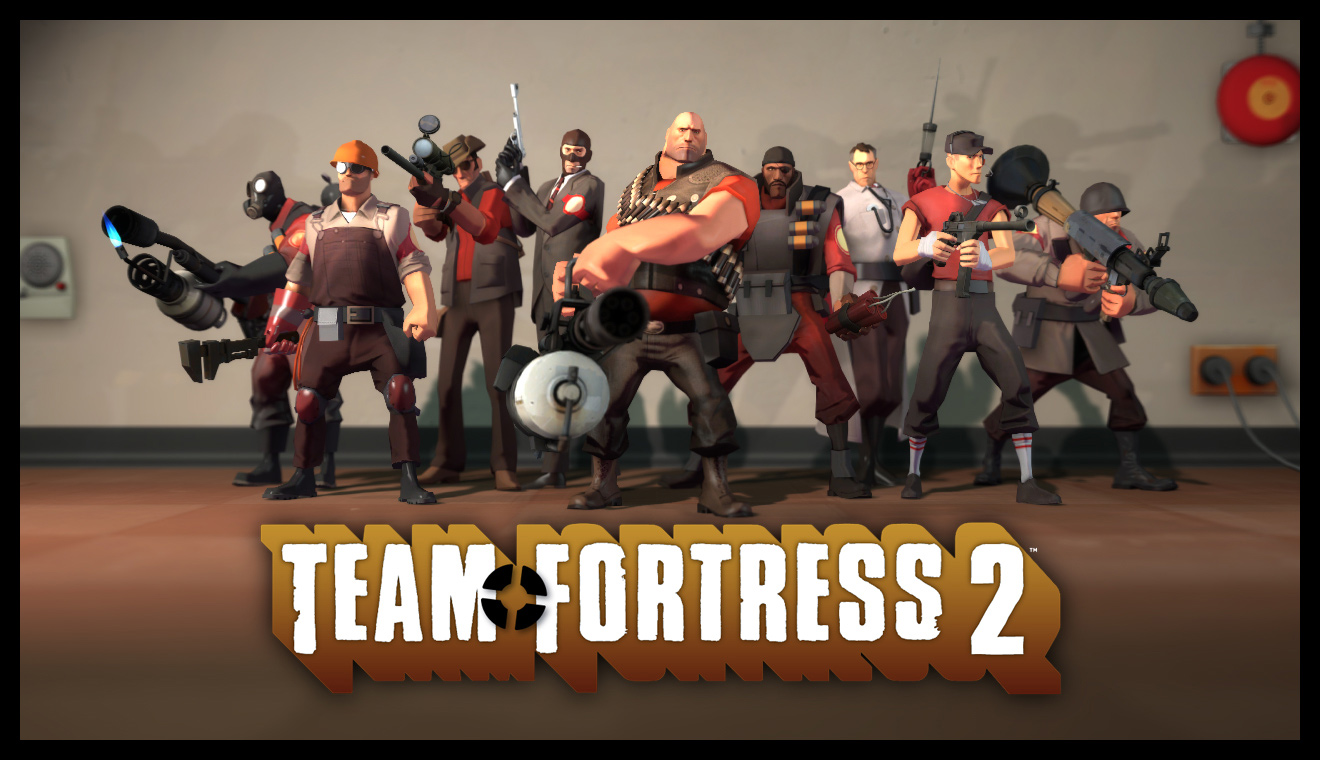
Valve’s Team Fortress 2 is already over six months old, so now might seem like an odd time to write a post on the games merits, but with the recent release of the Medic Achievement pack, and the rather surprising (though not unwelcome) news that Valve intends to integrate some of its popular features and improvements into the ageing Day of Defeat: Source, I decided I’d jot down a few of my impressions.
The release of Team Fortress 2 came as something of a surprise, after so little news about its development, with virtually nothing concrete after the initial revelations in 1999. The finished version bears absolutely no relation to those initial screenshots, instead maintaining much stronger links to the original modification Team Fortress Classic, with a strong glossy coat of The Incredibles style graphics and an uncut, Columbian-strength injection of humour.
In Preparation for the Bionilympics
Hard to believe that Oscar Pistorius, the double-amputee sprinter, has won his appeal to trial for the upcoming Beijing Olympics. The Court of Arbitration for Sport overturned a ban imposed by the International Association of Athletics Federations, after the latter said his carbon fibre blades give him a mechanical advantage. Essentially the ruling rests on the fact that the IAAF did not prove sufficiently that Pistorius gains an advantage from the “Cheetah Flex-Foot” artificial limbs. Of course, Pistorius is allowed to compete in the Paralympics, and currently holds the world record in the 100m, 200m and 400m events. It would appear that he is looking for a chance to compete at a higher level, and many support his case as inspirational.
All Quiet on the Western Front
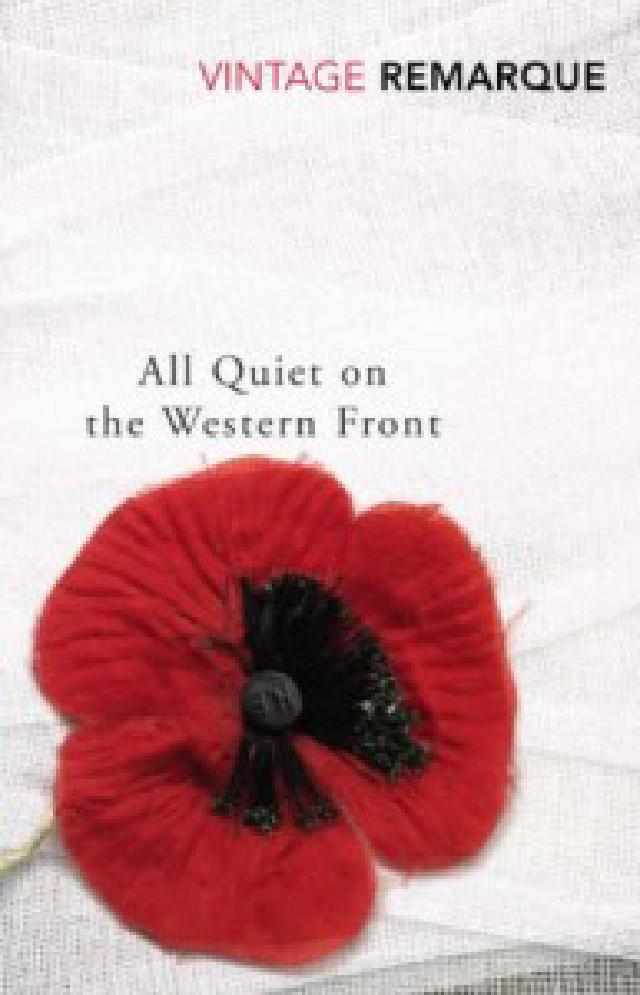
All Quiet on the Western Front is one of those classics more often referred to and talked about than read. It’s one of those books which doesn’t require reading to know the plot, and skimming through the book it almost feels like familiar territory. The book is eminently readable, and despite its brevity, deals with a wide variety of aspects of wartime life, both specific to the Great War and in general. Despite its age, the book has lost none of its meaning, and whilst it proves to be an important work historically, in dealing with everyday German experiences in the Great War and reactions to it during the Weimar years, it is also an enjoyable read and one that should certainly be read more often. It is a simple story told through the eyes of a lad only nineteen years old, pressured into signing up by a jingoistic schoolmaster, who is hardened, desensitised and churned up by the horrors of trench warfare in the Great War.